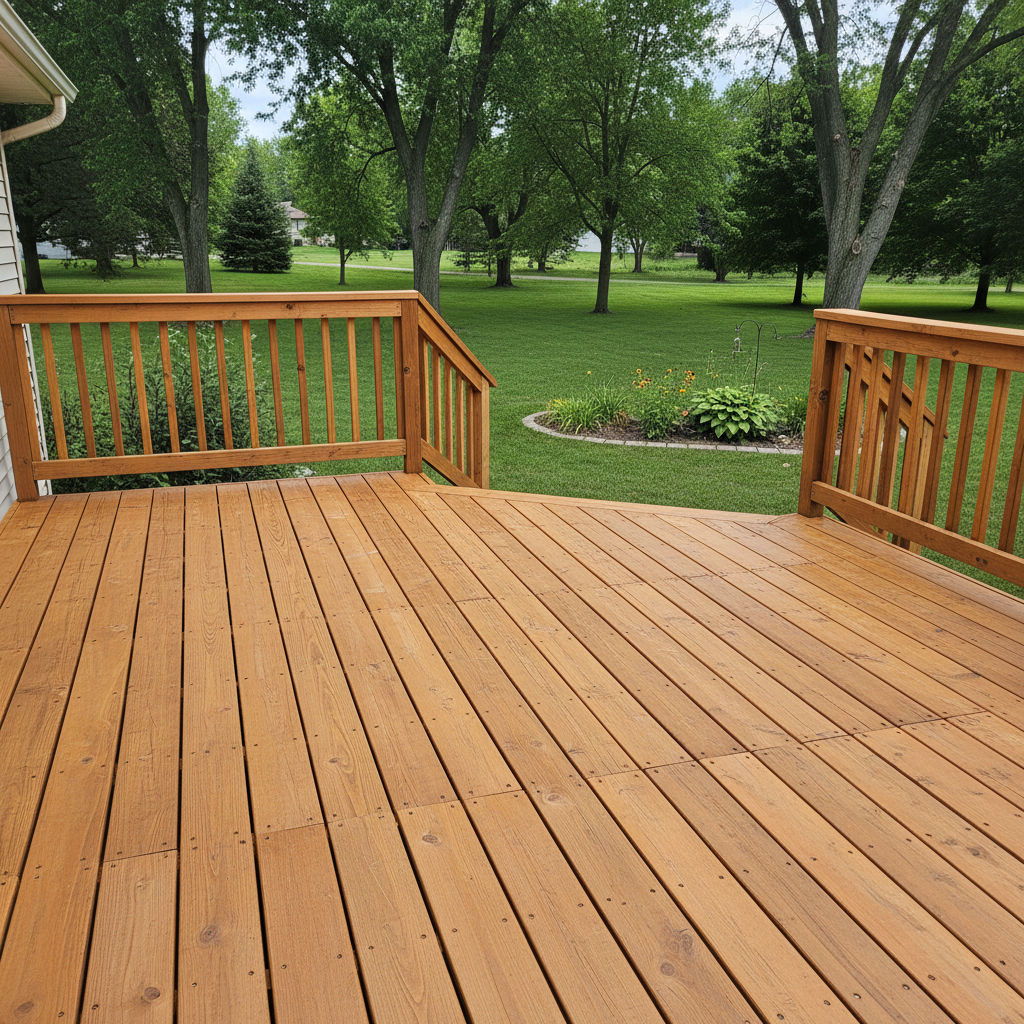
Your deck's a big investment, right? It's where you grill, relax, and hang out with family. But up here in Medina, with our wild temperature swings, heavy snow, and that summer humidity, decks take a real beating. I've seen it firsthand building and repairing decks for years. You want your deck to last, and honestly, a little bit of regular care goes a long way. It's not rocket science, but it does take some consistent effort.
Extending Your Deck's Life: It's All About Protection
Think of your deck like your car; you wouldn't skip oil changes, would you? The same goes for your deck. The biggest enemy here in Minnesota is moisture, followed closely by UV rays. They team up to break down wood fibers, cause rot, and fade finishes. So, what's the best defense?
- Seal or Stain Regularly: This is probably the most critical thing you can do. For wood decks, a good quality sealant or stain acts like sunscreen and a raincoat all in one. It repels water, prevents UV damage, and slows down mildew growth. How often? It depends on the product and how much sun your deck gets. Generally, every 2-3 years for stains, maybe annually for clear sealers. If water isn't beading up on the surface, it's time.
- Keep it Clean: Dirt, leaves, and debris trap moisture against the wood, which is a recipe for rot. A simple sweep or blow-off once a week, especially in fall, can make a huge difference.
- Mind the Gaps: Make sure the gaps between your deck boards are clear. This allows water to drain properly and air to circulate, helping the deck dry out faster after a rain or snowmelt. If leaves or pine needles from those big trees in your backyard on the west side of town are packing in there, get 'em out.
- Trim Back Vegetation: Bushes and trees growing too close to your deck can block airflow and keep the deck damp. Give them a good trim to let the sun and wind do their work.
Regular Maintenance: Your Seasonal Checklist
You don't need to be out there every day, but a few seasonal checks can catch small problems before they become big, expensive ones.
- Spring Cleaning: After the snow finally melts (and sometimes re-melts, then melts again, you know how it goes), give the deck a thorough cleaning. A good scrub with a deck cleaner and a stiff brush, or a gentle power wash (be careful not to damage the wood!), will remove winter grime, mold, and mildew. Check for loose nails or screws and drive them back in or replace them.
- Summer Checks: Keep an eye on high-traffic areas. Are there any splinters forming? Are the railings feeling sturdy? Do a quick visual inspection for any signs of insect activity.
- Fall Prep: Before the leaves start falling, clean the deck again. Remove all debris. This is also a good time to re-seal or stain if it's due, so it's protected before winter's onslaught. Make sure your gutters aren't dumping water directly onto your deck, either. That's a common issue I see.
Warning Signs: Don't Ignore These Red Flags
Your deck will usually tell you when something's wrong. You just have to know what to look for.
- Soft Spots or Spongy Wood: This is a major red flag, especially in areas that get a lot of moisture, like around stairs or where the deck meets the house. Push on the wood with a screwdriver; if it's soft or crumbles, you've got rot.
- Cracked or Splitting Boards: Small cracks are normal with wood, but large, deep cracks can compromise structural integrity.
- Loose or Wobbly Railings: This is a safety hazard. If your railings aren't solid, someone could get hurt.
- Rusting Fasteners: Screws or nails that are rusting can weaken their hold and stain the wood.
- Fading or Peeling Finish: This isn't just cosmetic; it means your deck's protection is failing, leaving the wood exposed to the elements.
- Mold or Mildew: While often just a surface issue, persistent mold can indicate poor drainage or excessive moisture, which can lead to rot over time.
When to Call a Professional (Like Us at Champion Decks)
Look, some stuff you can totally handle yourself. Cleaning, re-sealing, tightening a few screws – that's homeowner territory. But there are times when it's just smarter, and safer, to bring in someone who does this every day.
- Structural Damage: If you find widespread rot in joists, posts, or ledger boards (that's the board connecting the deck to your house), don't mess around. This impacts the entire deck's safety.
- Wobbly Posts or Footings: If the main support posts are loose or the concrete footings are cracked or sinking, that's a serious issue that needs expert attention.
- Extensive Wood Rot: A small patch of rot might be a DIY fix, but if it's spread across multiple boards or into critical support elements, it's time for a pro.
- Major Railing Instability: If tightening screws doesn't fix a wobbly railing, it might need more extensive repair or replacement.
- You're Not Comfortable: If you're unsure about a repair, or you just don't have the time or tools, that's perfectly fine. We're here for that.
Ultimately, your deck is an extension of your home. Taking care of it means you'll get to enjoy it for many more seasons, safely. Don't wait until a small problem becomes a huge headache. A little proactive maintenance now can save you a lot of money and stress down the road.