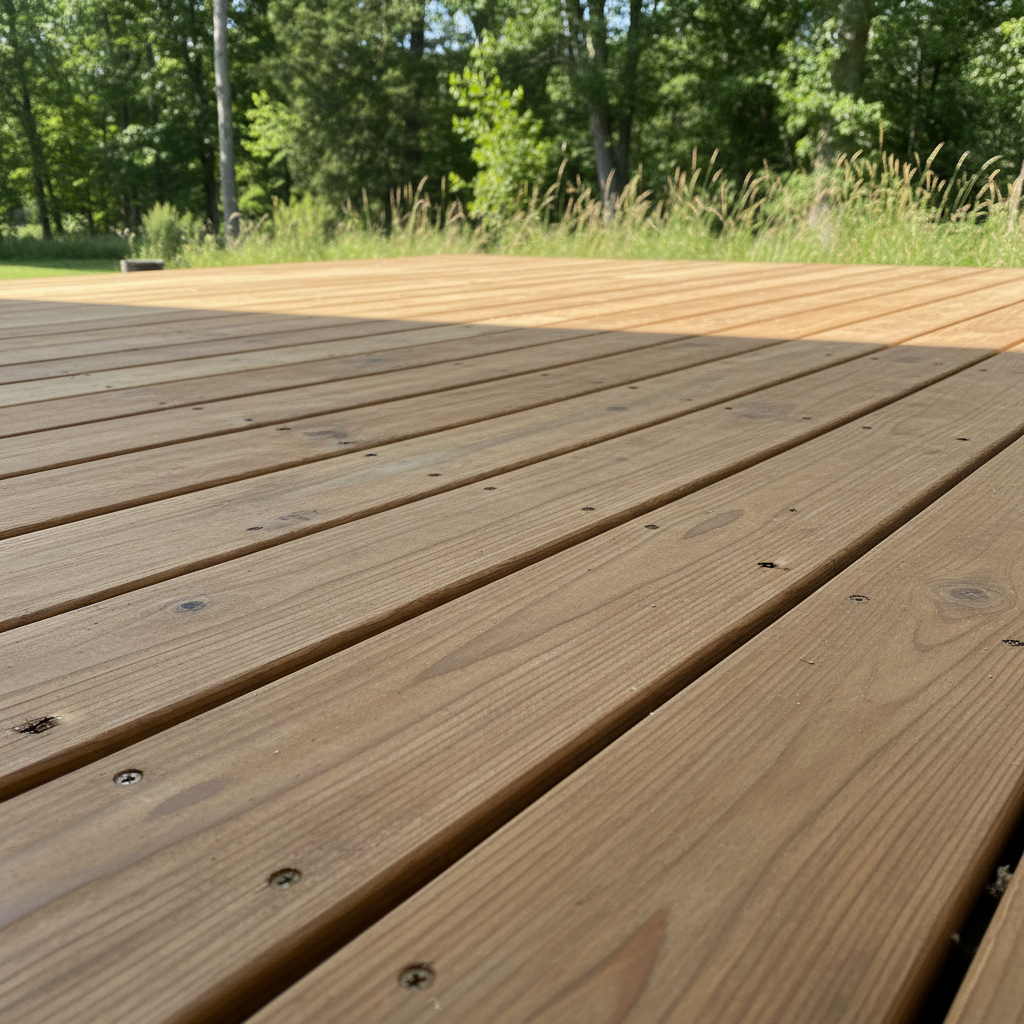
So, you're dreaming of a new deck, or maybe your old one's seen better days. That's a common thought for folks around Medina, especially with our beautiful summers and the chance to enjoy the outdoors. A wooden deck adds real value and enjoyment to your home, but it's a big project. The big question I hear a lot is: what can I do myself, and when should I just pick up the phone?
Before You Start: Planning Your Deck Project
Before any nails get hammered, you've got to plan. This isn't just about picking out pretty wood; it's about making sure your deck is safe, legal, and lasts. Here's what you need to consider:
- Permits, Permits, Permits: You absolutely need a permit for a new deck or a significant rebuild. Medina has its own building codes, and trust me, you don't want to skip this. They'll check things like frost footings – crucial with our Minnesota winters and that clay soil we often deal with around here. Trying to build without one can lead to fines, tear-downs, and a whole lot of headaches. This is non-negotiable.
- Design & Layout: Think about how you'll use the deck. Do you need space for a grill, a dining table, a hot tub? How will it flow from your house? What about stairs and railings? You can sketch out ideas yourself, but a professional can help you optimize space, ensure structural integrity, and make sure it looks great. They'll know the best ways to tie it into your home's existing architecture.
- Material Choices: Pressure-treated lumber is the standard workhorse, affordable and durable. Cedar and redwood look fantastic and naturally resist rot and insects, but they cost more and require more maintenance. Composite decking is low-maintenance but often pricier upfront. Do your research, weigh the pros and cons for your budget and lifestyle.
For the planning phase, you can definitely do a lot of the dreaming and initial research yourself. But when it comes to understanding building codes, drawing up plans that will pass inspection, and making sure the structure is sound, that's often where a pro really shines. Champion Decks, for instance, handles all the permit stuff and design work, taking a huge load off your shoulders.
During the Build: DIY vs. Calling in the Cavalry
Okay, plans are approved, materials are picked. Now for the actual construction. This is where the rubber meets the road, and where you need to be honest with yourself about your skills and time.
- Demolition: If you're replacing an old deck, tearing it down can be a DIY job. It's hard work, but mostly just brute force and a few basic tools. Just be careful with nails and make sure you have a plan for debris removal.
- Footings & Framing: This is the backbone of your deck. Digging footings to the correct depth (below the frost line!), pouring concrete, and building a perfectly level and square frame is critical. If this isn't done right, your deck won't be stable, it'll sag, and it could even be dangerous. This is usually where I tell homeowners to seriously consider professional help. It requires precision, specific tools, and a good understanding of structural engineering.
- Decking & Railings: Laying the deck boards themselves can be a satisfying DIY task. It's repetitive, but if you take your time, measure carefully, and use the right fasteners, you can get a great result. Installing railings, especially complex ones, can be trickier, requiring careful alignment and secure attachment.
If you're handy, have the right tools, and a good chunk of free time, you might tackle laying the boards or even simple repairs. But for the structural elements – the footings, the ledger board attachment to your house, and the main framing – that's where I'd strongly recommend bringing in experienced deck builders. We've seen too many DIY framing jobs that end up needing costly fixes down the line.
After the Build: Maintenance for a Long-Lasting Deck
Your beautiful new deck is done! Now, how do you keep it looking great and lasting for years? This part is almost entirely in your hands, and it's crucial.
- Cleaning: Annually, give your deck a good scrub. A pressure washer can be effective, but use it carefully on a low setting to avoid damaging the wood fibers. A good deck cleaner and a stiff brush often do the trick. Get rid of dirt, mildew, and any green algae that builds up.
- Sealing & Staining: This is your deck's sunscreen and raincoat. For wooden decks, you'll need to reapply a quality stain or sealant every 2-3 years, sometimes more often depending on exposure to sun and rain. This protects the wood from UV damage, moisture, and rot. Don't skip this! It's the single best thing you can do to extend your deck's life.
- Inspections: Every spring, walk around your deck. Check for loose boards, wobbly railings, popped nails or screws, and any signs of rot, especially where wood meets the ground or other wood. Address small issues before they become big problems.
Maintenance is definitely a DIY job. It's not glamorous, but it's essential. A little effort each year will keep your deck safe and beautiful for many seasons of enjoyment. If you ever spot something that looks like serious structural damage or extensive rot, that's when you might want to call in a pro for an assessment. But for the regular upkeep, you've got this.
Building a deck is a big investment, whether it's your time or your money. Knowing when to roll up your sleeves and when to call in the experts can save you a lot of grief and ensure you end up with a deck you'll love for years to come.